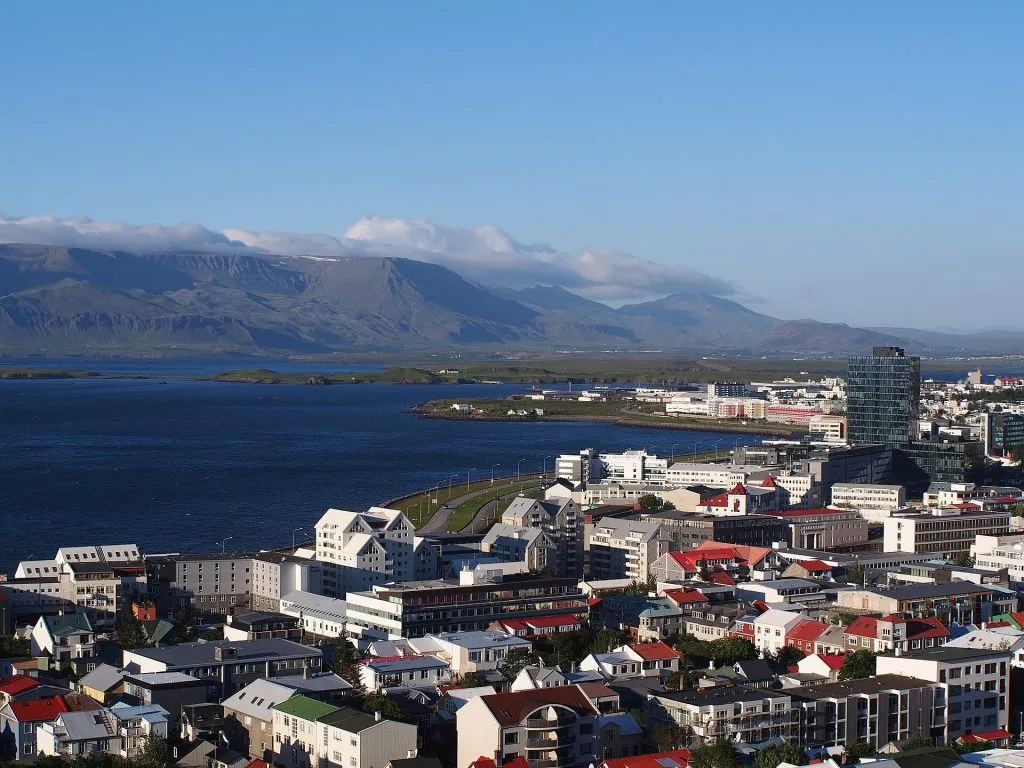
Ask a veteran MMO player to name a game studio from Iceland and the answer comes quickly: CCP Games, the Reykjavik developer behind EVE Online. Launched in 2003, EVE is still running more than two decades later, which puts it in a very small club of online worlds that have outlived entire generations of competitors.
A sandbox built on player decisions
EVE earned its reputation through a single-shard universe where players drive almost everything: markets, wars, alliances and betrayals. Its biggest battles have made headlines outside gaming, and its economy is complex enough that the studio has employed an in-house economist in the past. For many players, the appeal is that their actions genuinely matter to thousands of other people in the same galaxy.
The studio’s annual Fanfest gatherings in Reykjavik became pilgrimages for capsuleers, and in 2018 CCP was acquired by Pearl Abyss, the Korean company behind Black Desert Online. The Icelandic team kept working on EVE from its home city. That continuity matters: the people who understand the game’s history, its old feuds and its fragile economy are still the ones shaping its updates, which is rare for a title of that age.
Gaming culture in a long-night country
Iceland’s winters are long and dark, and online games are a natural fit. Local players are known for strong English, which makes international guilds and servers easy to join, and plenty of them split their time between MMOs, extraction shooters and co-op titles. Like gamers everywhere, they also juggle new releases against long-running favourites, sampling betas and free weekends before committing.
Between raids and roams, some adult players switch to other kinds of games entirely. Iceland has no land-based casinos, so those who enjoy slots or table games use sites licensed abroad, and Icelandic gamers comparing options often search for a nýtt spilavíti á netinu (a new online casino) with clear rules and fast menus. It is a different experience from loot rolls or market speculation, and it comes with real money, so it is strictly 18+ and best kept to a fixed, affordable budget.
What other studios can learn
The lesson from EVE is less about genre and more about patience. A game that respects player agency, keeps its economy meaningful and listens to a dedicated community can survive long after the launch hype has faded. That is worth remembering as new titles chase quick player peaks: a big beta number fades fast, while a world worth living in keeps people logging in for years. Iceland’s contribution to the genre is proof that a small country can build something that lasts, and that its players will keep finding new ways to fill the long northern evenings.